Article
Baseline Changes: Why the Individual Dog Matters
Dog behavior is not interpreted in a vacuum. The same visible behavior can occur in different contexts and may carry different significance depending on the individual...
Featured topic
Body Language covers observable posture, movement, tension, orientation, eyes, mouth, ears, tail, vocalization, and distance.
Reviewed: July 17, 2026
This topic gathers related DogMind Journal material around one observation lens. Use it to compare patterns across articles, glossary entries, videos, and resources without treating any single signal as a fixed answer.
Article
Dog behavior is not interpreted in a vacuum. The same visible behavior can occur in different contexts and may carry different significance depending on the individual...
Article
Dog body language is useful, but it is easy to overread. A lip lick, yawn, tail wag, bark, or still moment can matter. None of those signals, by itself, can prove exactly...
This section will update when glossary entries are available.
Video
Reading dog body language is essential when hugging your pet. While we see a perfect photo, your dog might be signaling distress. We often see photos of people hugging...
Duration: 3:39
Video
Is your dog actually jealous — or has he simply learned how to get your attention? Dog jealousy is one of the most misunderstood areas of dog behavior. Many owners see...
Duration: 3:31
Video
Do dogs feel guilt—or is the guilty dog look actually fear, stress, or appeasement? Your dog lowers their head, pulls back their ears, avoids eye contact, and gives you...
Duration: 1:57
Video
Why do dogs yawn? A yawning dog may be tired—but tiredness is only one possible explanation. Learning to read dog body language can help you understand the context behind...
Duration: 2:06
Video
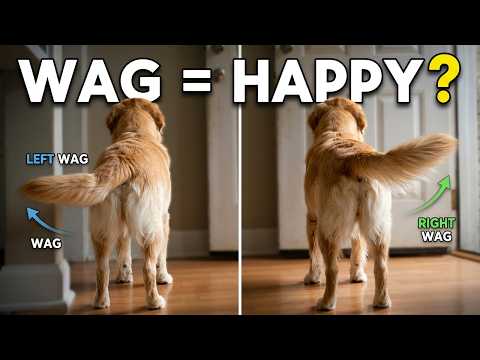
A public DogMind Journal video about why tail wagging should not be interpreted as a simple happiness signal and why left/right tail-wagging research should be handled...
Duration: 5:30
Video
A public DogMind Journal video about interpreting a dog's stare through context, body language, and the situation rather than assuming one fixed meaning.
Duration: 5:59
This section will update when resources are available.